


Most people brush and floss every day and assume that’s enough. But some of the most common oral hygiene mistakes happen in routines that look perfectly fine on the surface. Brushing too hard, skipping certain spots, or using the wrong technique can quietly undermine your efforts, even if you’re diligent about your daily routine.
At Eagle Falls Dentistry, we’ve been caring for smiles in Bloomingdale since 1972, and over the decades we’ve seen the same handful of habits show up again and again in patients who are otherwise doing everything “right.” Here are the five most common mistakes and what to do instead.
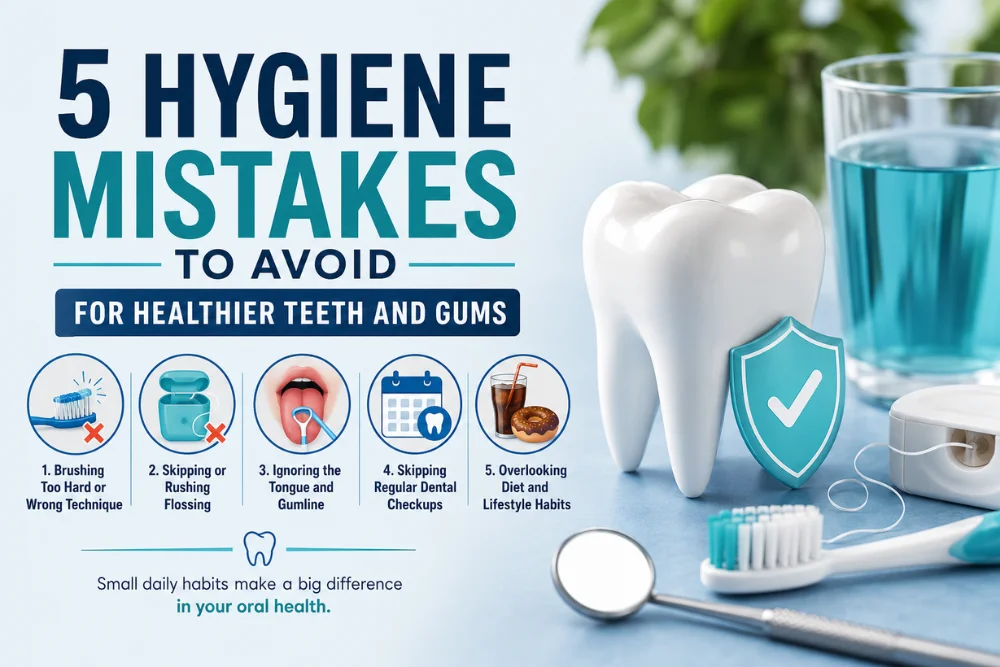
Mistake #1: Brushing Too Hard or Using the Wrong Technique
It feels intuitive that more pressure means a cleaner mouth, but it’s one of the most damaging common oral hygiene mistakes out there. Aggressive brushing wears down enamel over time and can cause your gums to recede, exposing sensitive root surfaces and increasing the risk of decay near the gumline.
Brushing teeth correctly means using a soft-bristled toothbrush, holding it at a 45-degree angle to your gums, and using gentle, circular motions rather than back-and-forth scrubbing. Let the bristles do the work. If you’re replacing toothbrushes frequently because the bristles look frayed after just a few weeks, that’s a sign you’re brushing too aggressively.
What to do instead:
- Use a soft-bristled brush, manual or electric
- Brush for a full two minutes, twice a day
- Apply light pressure, similar to what you’d use to clean a piece of fruit
- Replace your toothbrush every three months, or sooner if bristles fray
Mistake #2: Skipping or Rushing Through Flossing
Flossing is the step people skip most often, and it’s a major contributor to early gum disease. Brushing alone only cleans about 60% of your tooth surfaces. The areas between teeth, where plaque builds up fastest, need floss to actually reach them.
Even among people who do floss, rushing through it or snapping the floss down too hard against the gums is a common issue. This can cause bleeding and irritation. Over time, it contributes to the same gum recession that aggressive brushing causes.
What to do instead:
- Floss once daily, ideally before bed
- Use a gentle sawing motion to guide the floss between teeth, curving it around each tooth in a C-shape
- If traditional floss is difficult to manage, try floss picks or a water flosser instead.
Mistake #3: Ignoring the Tongue and Gumline
A lot of people focus entirely on their teeth and forget that the tongue and gumline harbor just as much bacteria. Bad breath, in particular, is often traced back to bacteria living on the back of the tongue, not the teeth at all.
This is one of the quieter signs of poor oral hygiene that’s easy to miss because it doesn’t cause pain or obvious damage right away. Over time, though, neglecting these areas allows plaque to build up along the gumline, which is exactly where gum disease typically starts.
What to do instead:
- Gently brush your tongue, or use a tongue scraper, each time you brush your teeth
- Angle your brush along the gumline, not just the flat surfaces of your teeth
- Pay extra attention to the back molars, where plaque tends to accumulate unnoticed
Mistake #4: Skipping Regular Dental Checkups
Even a flawless at-home routine can’t catch everything. Plaque that hardens into tartar can only be removed by a professional cleaning, and early signs of cavities or gum disease are often invisible to the patient but easy for a dentist to spot.
Putting off checkups because nothing “feels wrong” is one of the most common ways small problems turn into expensive, painful ones. A daily oral care routine and the best daily oral hygiene routine alone aren’t a substitute for the things only a dental exam can catch, like early decay between teeth, bite issues, or the first signs of periodontal disease.
What to do instead:
- Schedule a cleaning and checkup every six months
- Don’t wait for pain or visible problems before booking an appointment
- Mention any sensitivity, bleeding, or changes you’ve noticed, even if they seem minor
Mistake #5: Overlooking Diet and Lifestyle Habits
Oral hygiene isn’t just about brushing and flossing. What you eat and drink, and habits like smoking or frequent snacking, play a huge role in your oral health. Sipping sugary or acidic drinks throughout the day keeps your teeth under constant acid attack, even if you brush regularly.
This is one of the most overlooked pieces of how to prevent gum disease and keep gums healthy, because it happens outside the bathroom mirror, where most people think their oral health routine begins and ends.
What to do instead:
- Limit sugary and acidic foods and drinks, especially between meals
- Rinse with water after eating or drinking something acidic
- Avoid tobacco products, which significantly increase the risk of gum disease
- Stay hydrated, since saliva plays a key role in naturally cleaning your mouth
Putting It All Together: A Better Daily Routine
Avoiding these five mistakes doesn’t require an overhaul of your routine, just a few adjustments:
- Brush gently with a soft-bristled brush for two full minutes, morning and night
- Floss daily using proper technique
- Clean your tongue and pay attention to the gumline
- Keep up with six-month dental checkups
- Be mindful of your diet and lifestyle habits
Small, consistent changes like these go a long way toward avoiding gum disease, sensitivity, and the kind of slow damage that often goes unnoticed until it becomes a bigger problem.
Why Professional Checkups Still Matter
Even with a strong daily oral care routine, professional cleanings remove the tartar buildup that brushing and flossing alone can’t touch. Regular Dental exams also catch issues in their earliest, most treatable stages, saving you time, discomfort, and money down the road.
At Eagle Falls Dentistry, we’ve supported the Bloomingdale community with personalized dental care for over 50 years. If it’s been a while since your last cleaning, or you’re noticing changes like bleeding gums or sensitivity, our team is here to help. Call us at (630) 894-5180 or visit our Bloomingdale office at 76 Stratford Drive to schedule your next visit.
Frequently Asked Questions
How do I know if I’m brushing too hard?
If your toothbrush bristles fray within a few weeks, or your gums feel sensitive or look like they’re receding, you’re likely brushing with too much pressure.
What are the early signs of poor oral hygiene?
Bad breath that doesn’t go away, bleeding gums during brushing or flossing, and visible plaque buildup near the gumline are common early warning signs.
Is mouthwash a substitute for brushing and flossing?
No. Mouthwash can complement your routine, but it doesn’t remove plaque the way brushing and flossing do.
How often should I really be flossing?
Once a day is enough, as long as it’s done with proper technique that reaches between every tooth.
Can poor oral hygiene affect my overall health?
Yes. Gum disease has been linked to other health issues, including heart disease and diabetes, which is another reason consistent oral care matters beyond just your smile.